What is Wisdom Tooth Surgery and Why is it Needed?
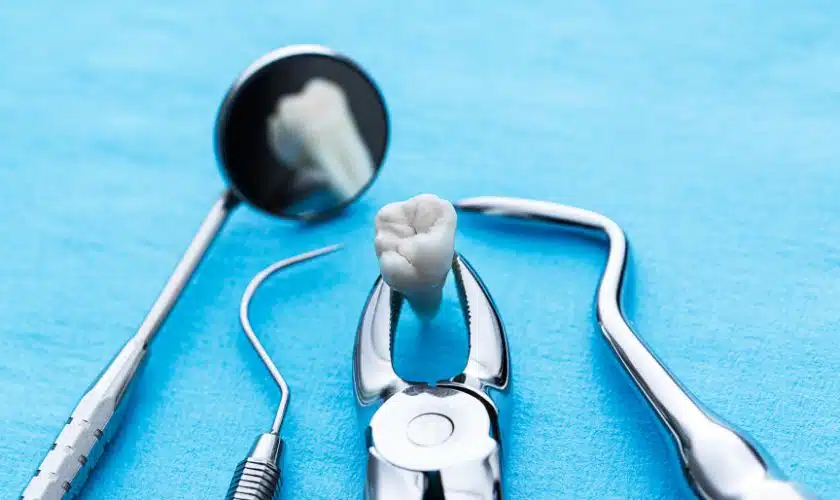
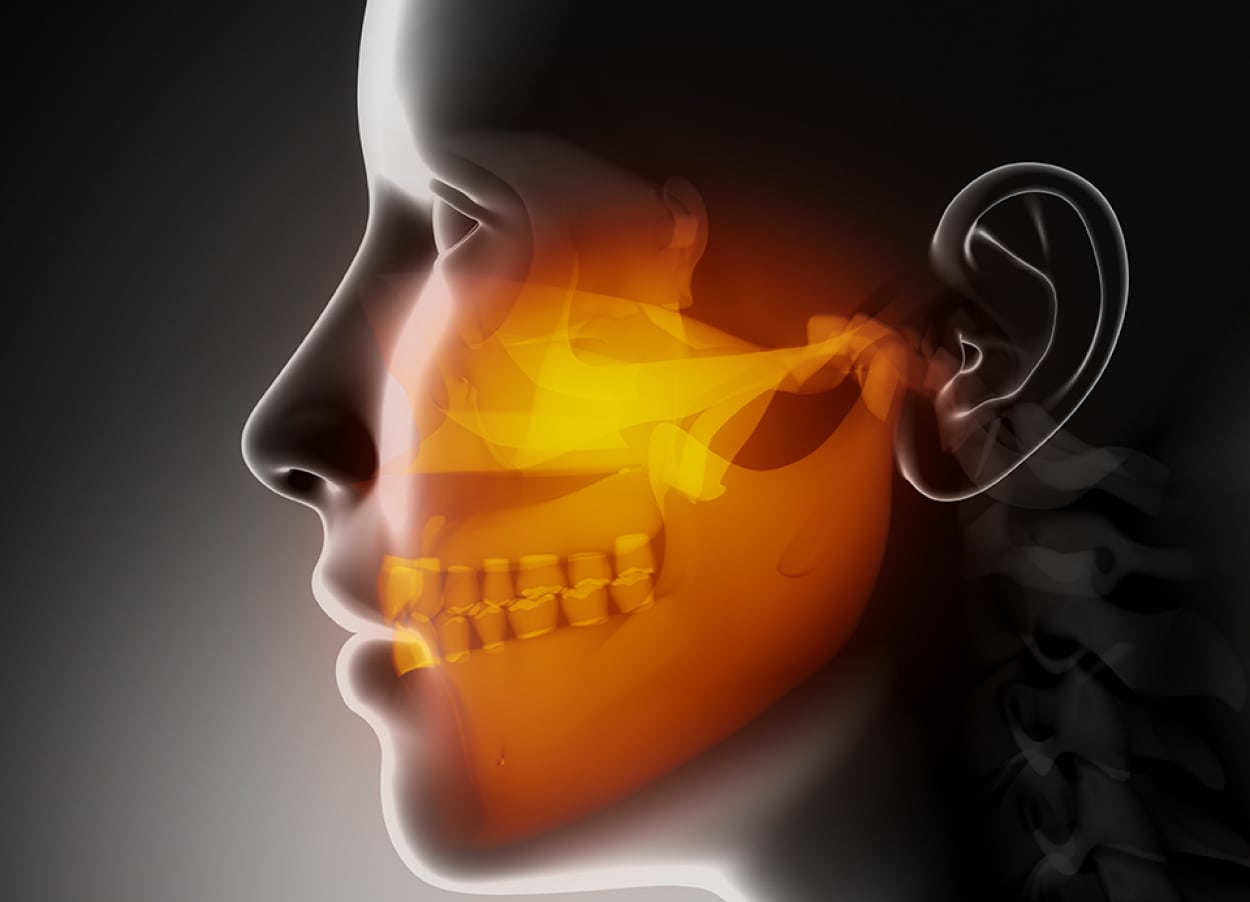
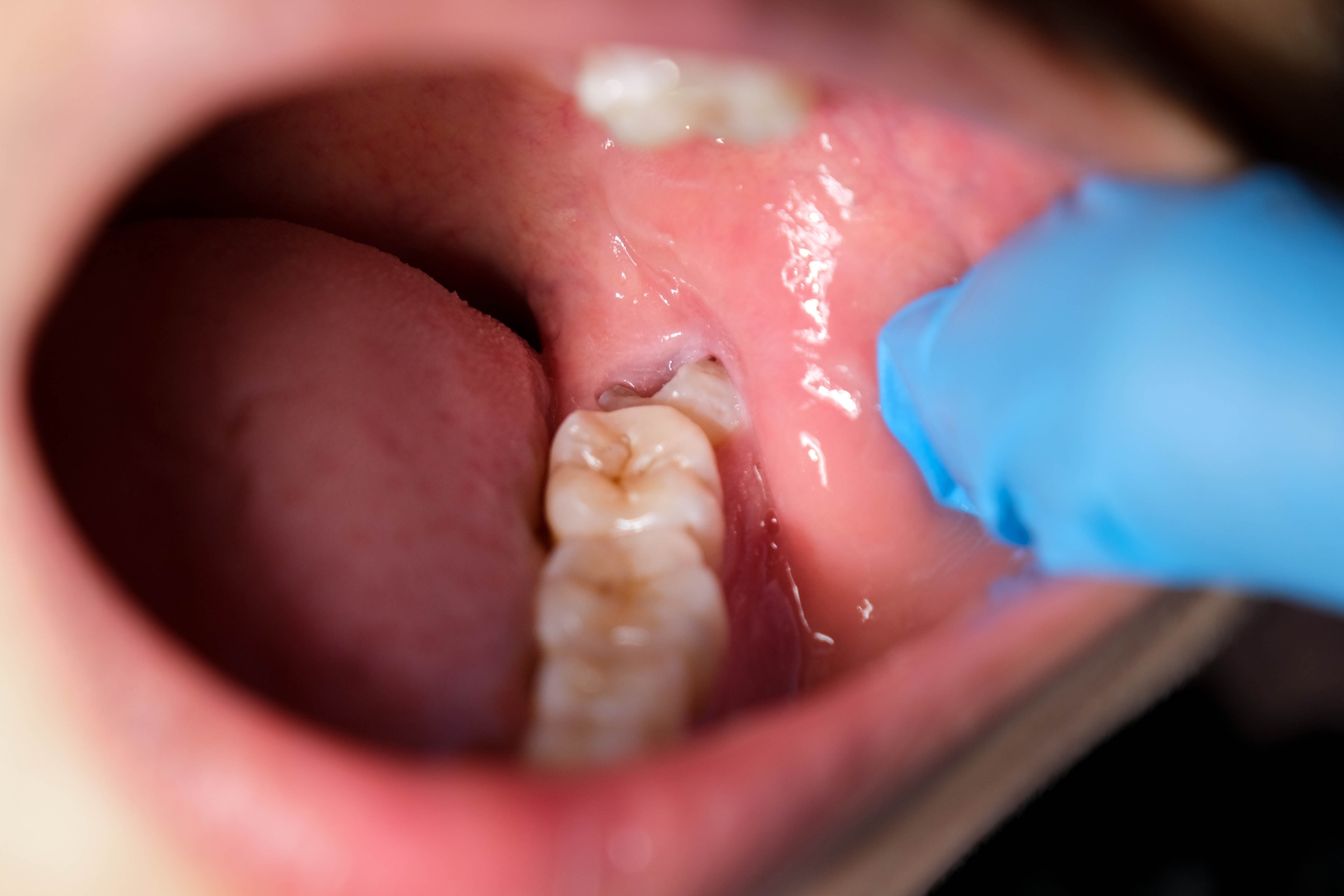
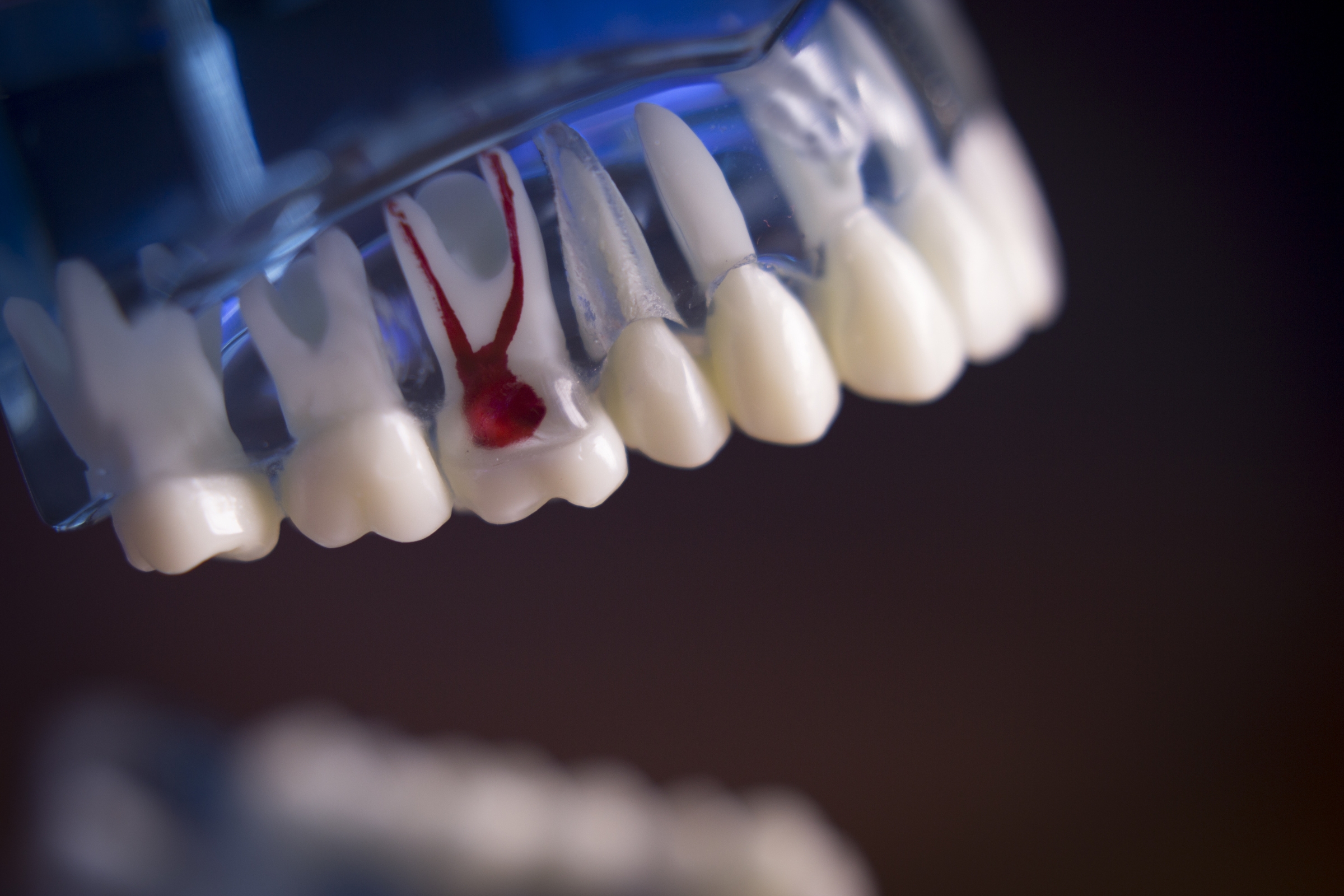
A wisdom tooth, also known as the third molar, is the last tooth to emerge at the back of the mouth — both in the upper and lower jaws. It usually starts coming in between the ages of 17 and 25.
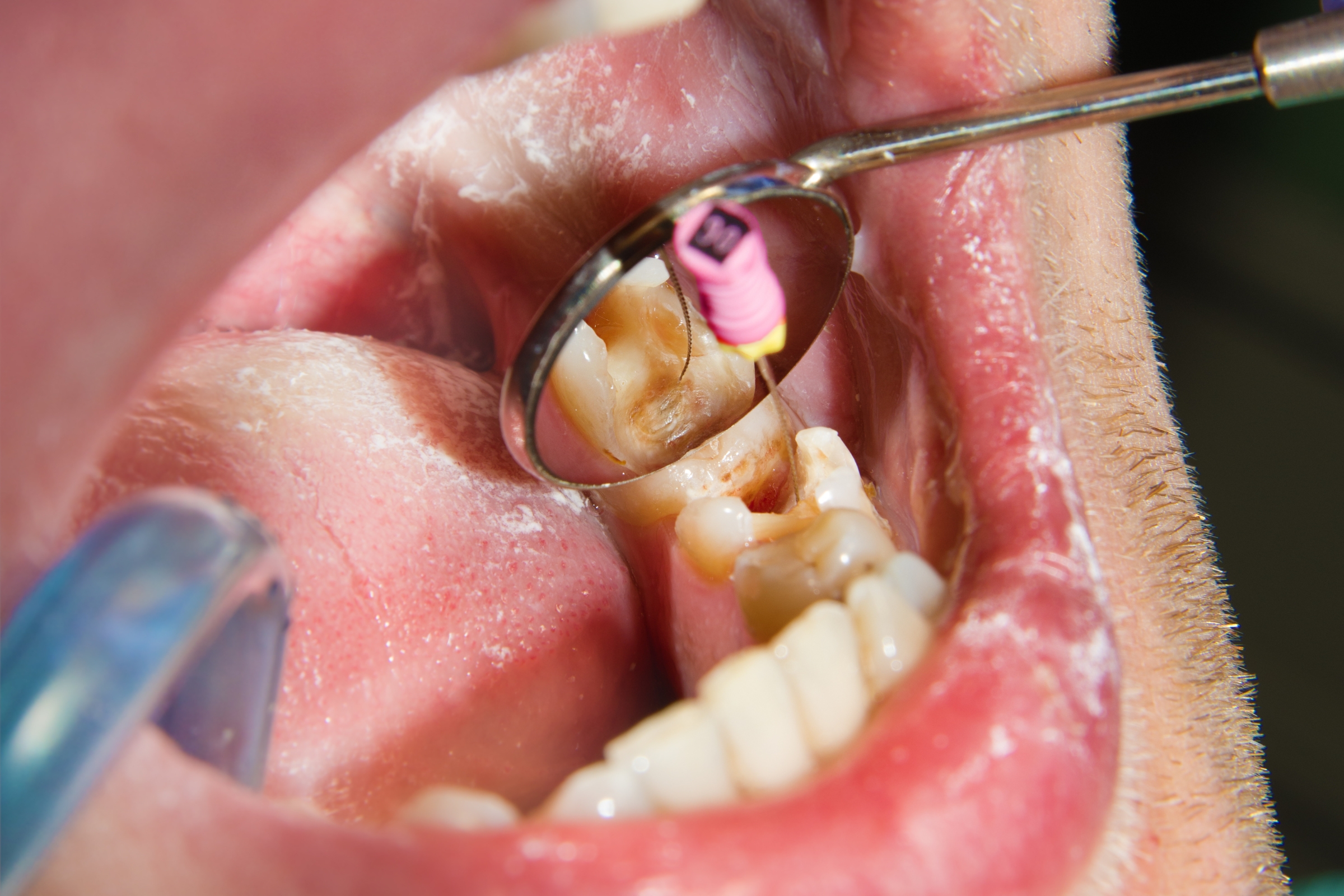
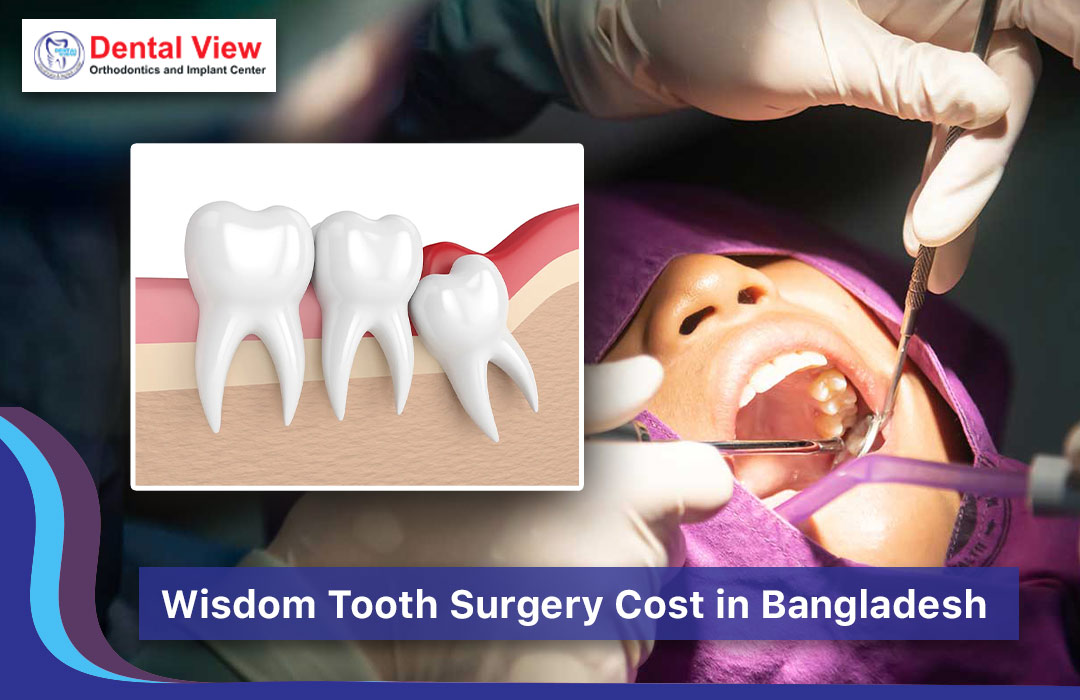
In many cases, these teeth do not have enough space to grow properly. They may become stuck, grow at an angle, or remain partially erupted — this condition is known as an impacted wisdom tooth.
Impacted teeth can cause pain, damage nearby teeth, lead to infection, and in severe cases, result in cysts or other complications. That’s why dentists use X-rays to determine whether removal is necessary.
Important Note
If the wisdom tooth grows normally without causing pain or problems, removal is not required. Surgery is only considered when complications arise.
Types of Extraction: Simple vs Surgical
Wisdom tooth removal generally falls into two categories, depending on the tooth’s condition and X-ray findings.
Simple Extraction
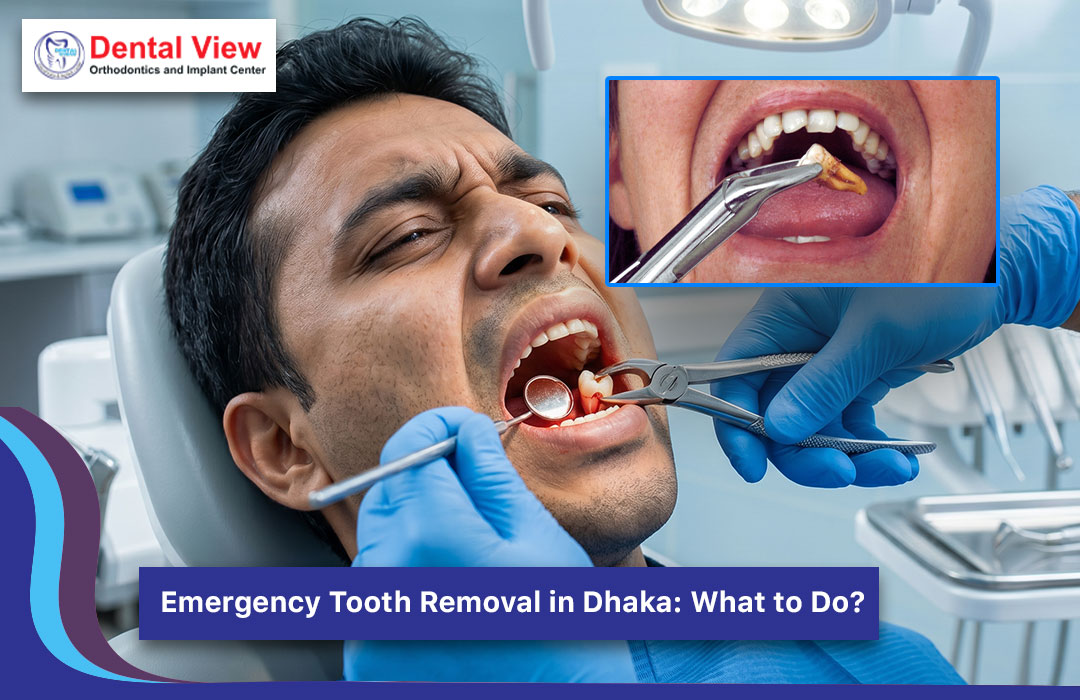
If the tooth is fully erupted and easily accessible, it can be removed under local anesthesia without cutting the gum. The procedure is quick, straightforward, and relatively low-cost.
Surgical Extraction
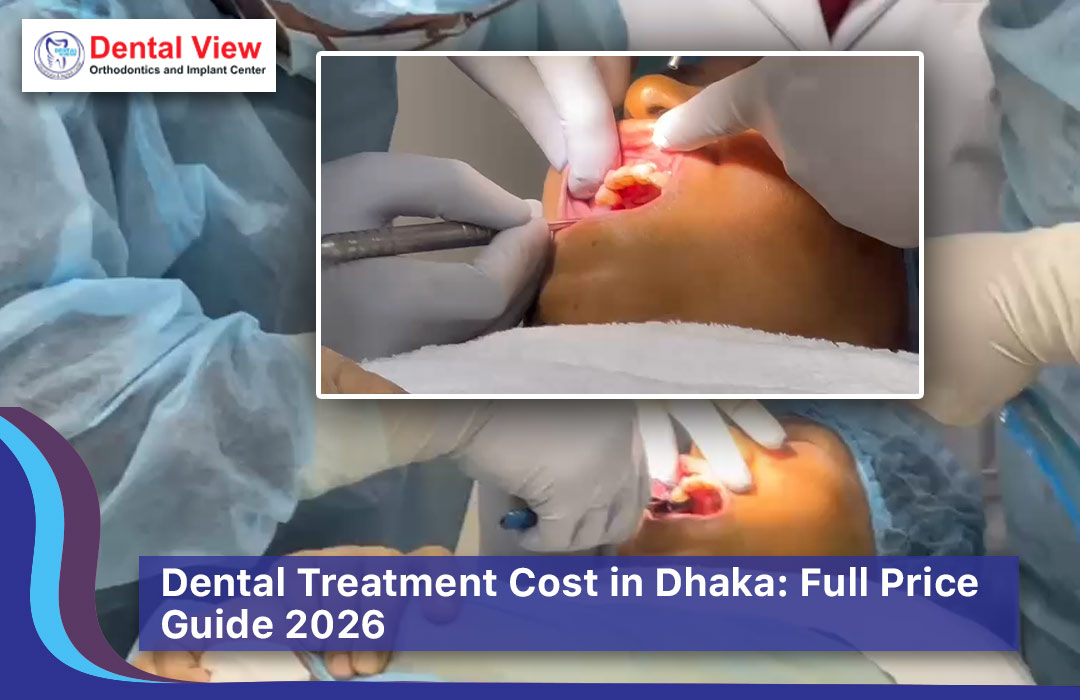
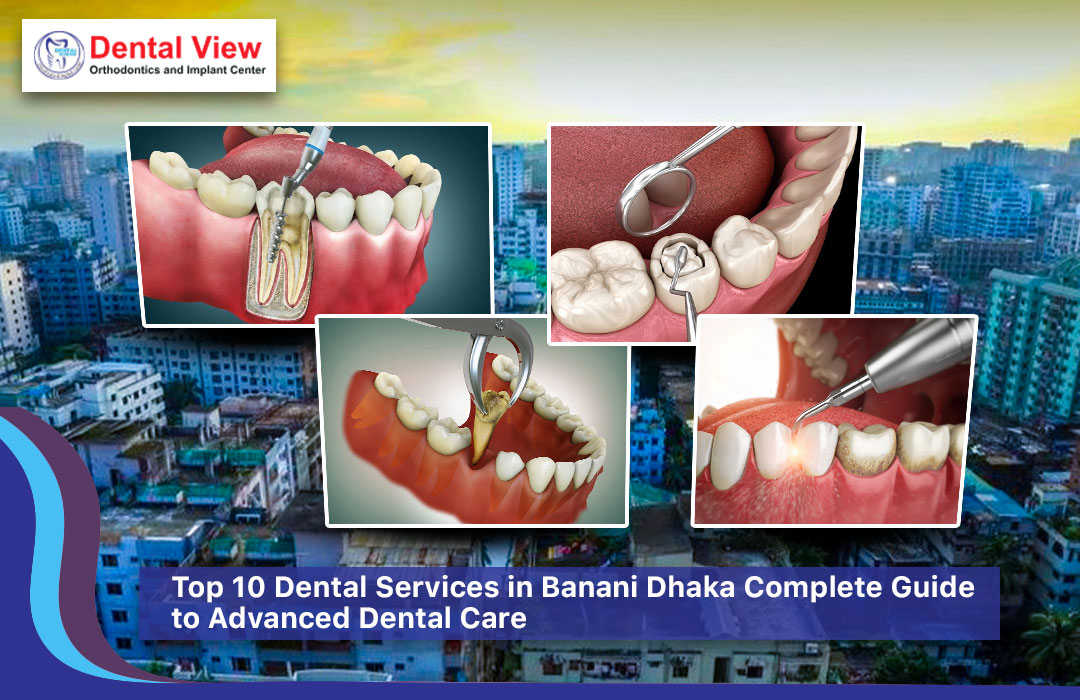
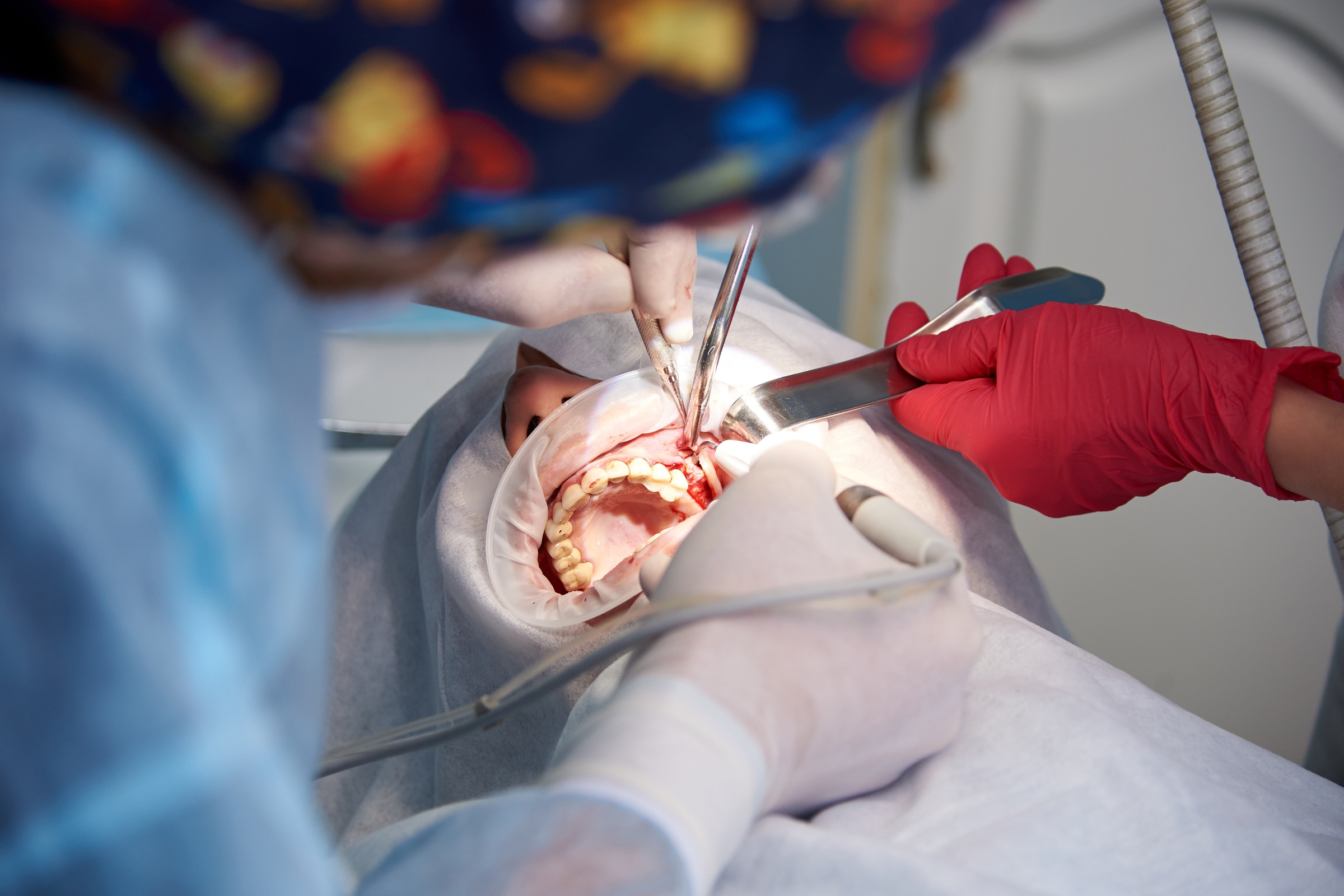
If the tooth is impacted or partially erupted, surgical extraction is required. This involves making a small incision in the gum, sometimes removing bone, and dividing the tooth into sections for easier removal. Stitches are placed afterward. This procedure is more complex and costs more.
Possible Complications
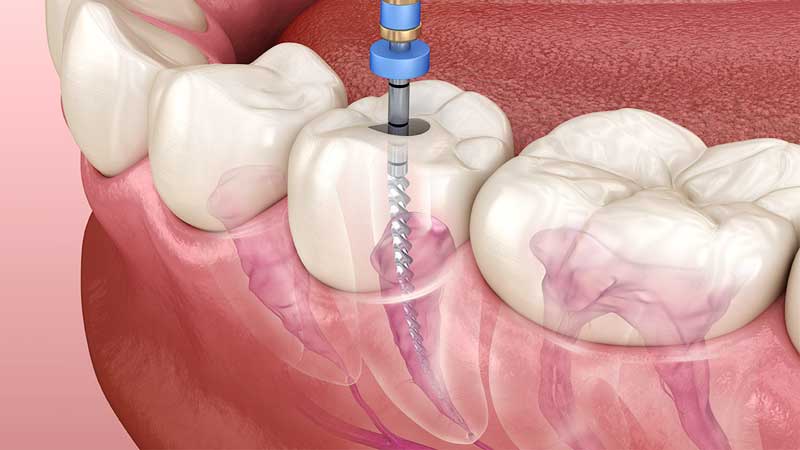
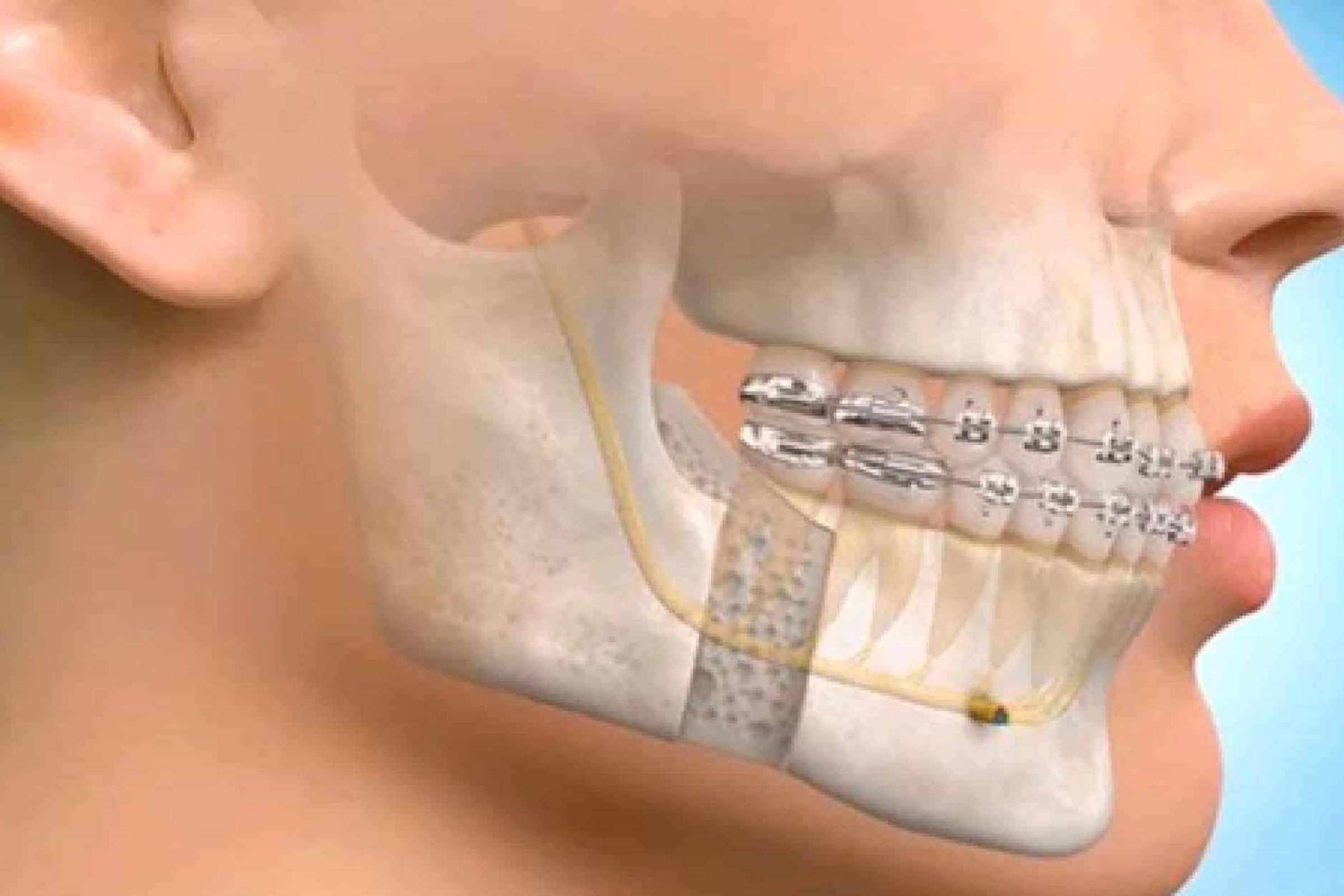
For lower jaw surgeries, the tooth may be close to the inferior alveolar nerve, which carries a small risk of nerve damage (though permanent damage is rare).
For upper jaw surgeries, there may be a connection to the maxillary sinus.
This is why it’s important to consult an experienced oral surgeon.
Wisdom Tooth Surgery Cost in Bangladesh (2025)
The cost varies depending on the clinic, location, complexity of the case, and the dentist’s experience.
Approximate Cost Breakdown
| Procedure Type | Location | Cost (BDT) | Category |
|---|---|---|---|
| Simple Wisdom Tooth Extraction | Dhaka (Government/Private) | 2,000 – 5,000 | Simple |
| Surgical Wisdom Tooth Removal | Dhaka (Private Clinics) | 5,000 – 12,000 | Surgical |
| Complex Impacted Tooth (Lower Jaw) | Specialized Centers | 8,000 – 15,000 | Complex |
| Root Canal (Wisdom Tooth) | Private Clinics | Around 8,000 | Specialized |
| X-ray / OPG Scan | All Clinics | 1,000 – 5,000 | Diagnostic |
| Consultation Fee | Dentist / Surgeon | 500 – 1,500 | Initial |
These are approximate costs. Actual pricing may vary depending on the patient’s condition. Reputable clinics usually provide transparent pricing without hidden charges.
Factors That Affect the Cost
1. Level of Impaction
The deeper the tooth is embedded, the more complex and expensive the procedure.
2. Jaw Position
Lower jaw extractions are usually more complex and time-consuming than upper jaw ones due to nerve proximity.
3. Clinic Location and Type
High-end clinics in Dhaka typically charge more than government or smaller clinics in other cities.
4. Dentist’s Experience
Specialist oral surgeons generally charge higher fees but offer safer outcomes for complex cases.
5. Type of Anesthesia
Local anesthesia is usually included in the standard cost. IV sedation or general anesthesia increases the total cost.
6. Post-Surgery Care
Medications (antibiotics, painkillers, mouthwash) may cost around 500–1,500 BDT. Follow-up visits may or may not be included.
Step-by-Step Procedure
1. Consultation and X-ray
The dentist examines your mouth and takes an X-ray to assess the tooth position.
2. Local Anesthesia
An injection is given to numb the area so you don’t feel pain during the procedure.
3. Incision (if needed)
In surgical cases, a small cut is made in the gum to access the tooth.
4. Tooth Removal
The tooth is removed. In complex cases, it may be divided into sections.
5. Stitches and Gauze
Stitches are placed if needed, and gauze is used to control bleeding.
6. Post-Surgery Instructions
The dentist prescribes medication and provides aftercare guidelines.
Duration:
- Simple extraction: 10–30 minutes
- Surgical extraction: 45–60 minutes
Recovery: Do’s and Don’ts
The first 24–72 hours are crucial for proper healing.
Do’s
- Bite on gauze for 30 minutes
- Apply ice packs regularly
- Eat soft foods (yogurt, soup, mashed foods)
- Take prescribed medication
- Keep your head elevated while resting
- Visit your dentist for stitch removal
Don’ts
- Do not rinse forcefully within 24 hours
- Avoid using straws
- Do not smoke or drink alcohol
- Avoid very hot or cold foods
- Avoid heavy physical activity
- Do not disturb the blood clot
Recovery Time
Most people feel better within 24–48 hours.
For complex cases, it may take 4–5 days to recover comfortably.
Complete healing can take up to 3 months, but normal activities can usually resume within 1–2 days.
Frequently Asked Questions (FAQ)
Is the surgery painful?
No, the procedure is painless due to anesthesia. Mild pain may occur afterward but can be managed with medication.
Where should I get it done?
Choose a reputable clinic with experienced oral surgeons and transparent pricing.
What should I prepare before surgery?
Bring your medical history and inform the dentist about any medications you take. Eat a light meal before the procedure and consider bringing someone with you.
Do all impacted teeth need removal?
No. If there are no symptoms, dentists may recommend monitoring instead of immediate removal.
Can all four wisdom teeth be removed at once?
It’s possible, but usually not recommended due to difficult recovery. Dentists often remove one or two at a time.
When can I return to work?
After simple extraction, you may return the next day. Surgical cases may require 1–2 days of rest.
Having Problems with Your Wisdom Tooth?
Don’t delay. Early treatment can reduce complications and overall cost.
Disclaimer
The cost information provided in this blog is based on publicly available data and may change over time. These prices are for reference only. Actual treatment costs should be confirmed after consultation with a qualified dentist. This content is not a substitute for professional medical advice. Always consult a licensed dental professional.