1. What Is a Dental Emergency?
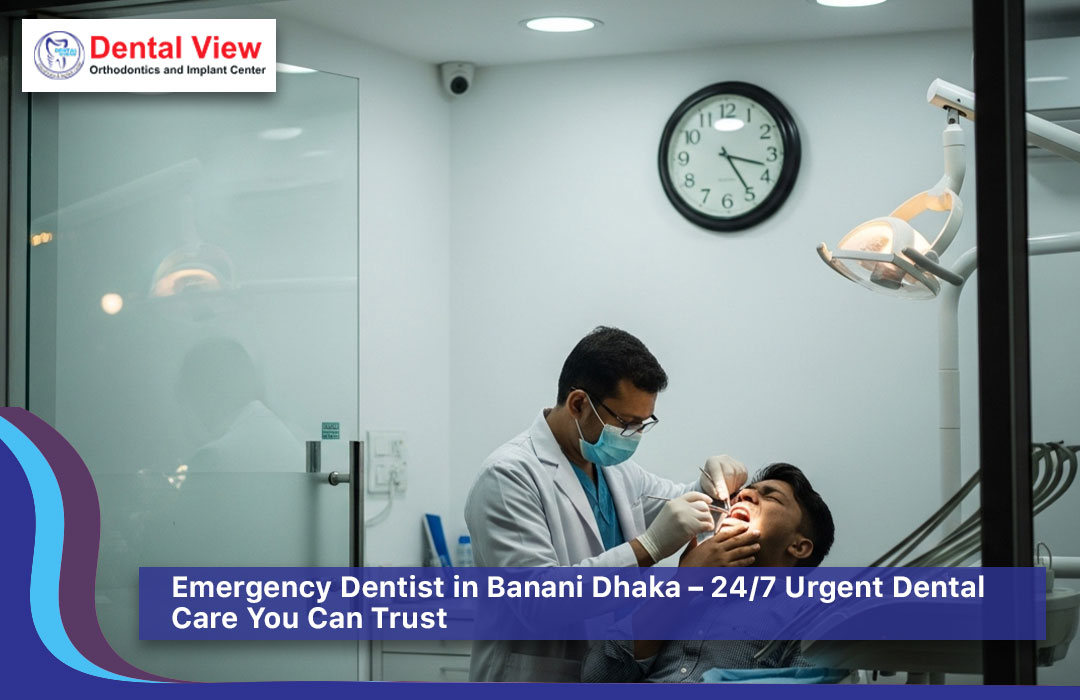
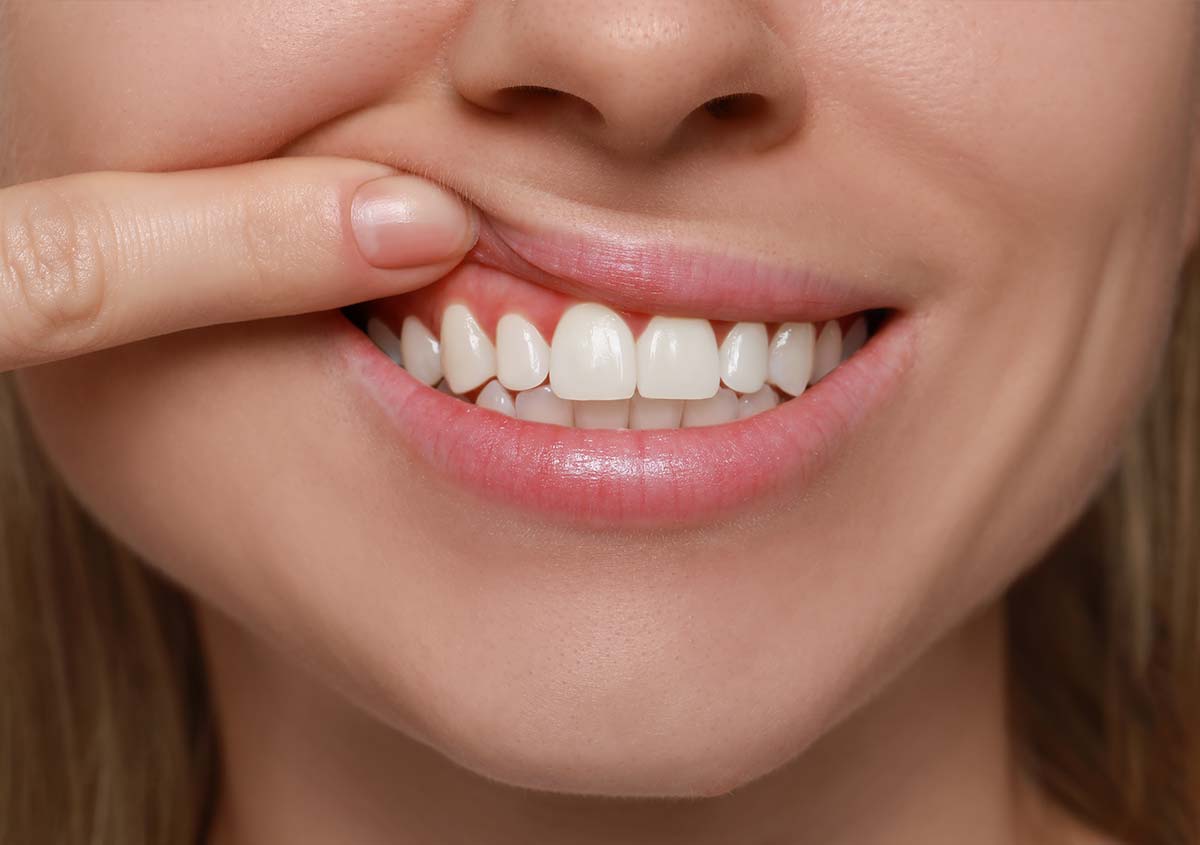
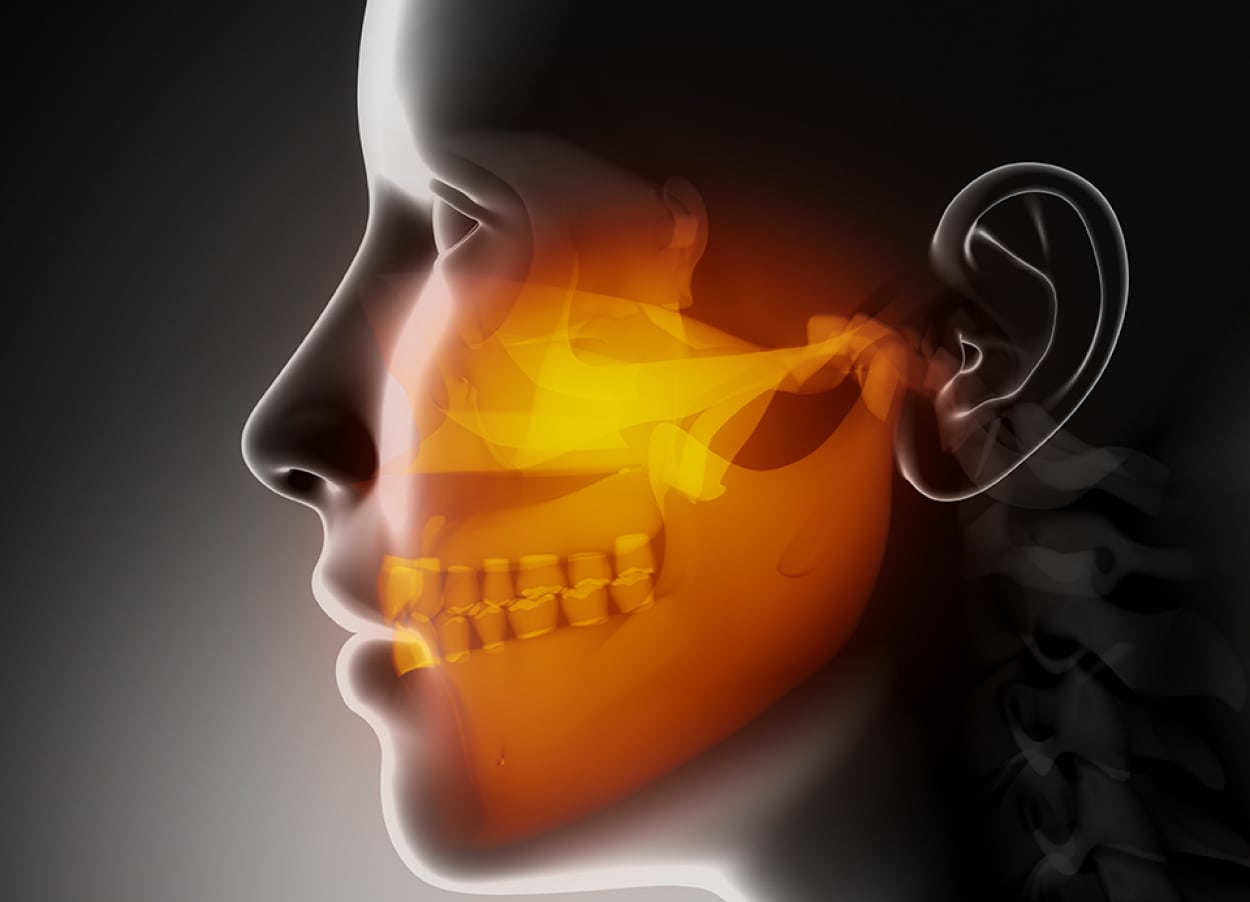
A dental emergency is any situation involving the mouth, teeth, or jaw that requires immediate professional attention. The common mistake people make is waiting too long, assuming the pain will pass on its own. Sometimes it does. But in many cases, delay leads to infection, bone damage, or complications that make treatment much harder.
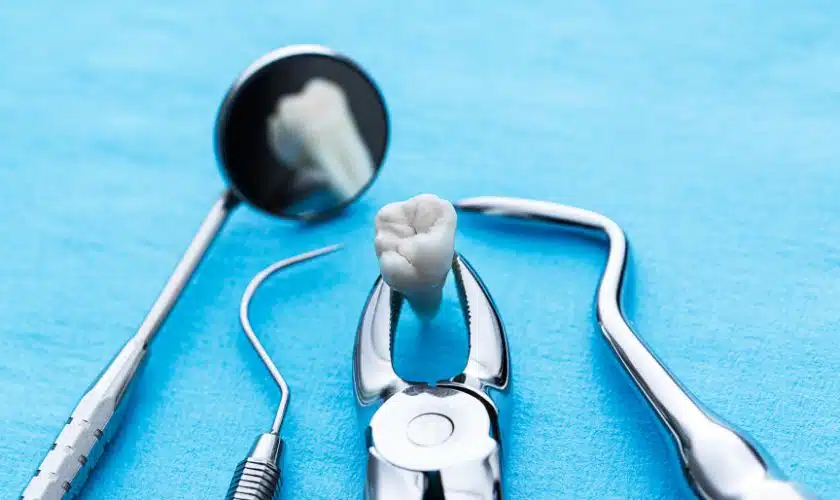
Emergency tooth removal, also called emergency tooth extraction, is the urgent removal of a tooth that is causing severe pain, has become infected, or is at risk of damaging surrounding teeth and tissue.
Important to knowNot every toothache means the tooth needs to be removed. A qualified dentist will first try to save the tooth through root canal treatment or other methods. Extraction is considered when saving the tooth is no longer possible or practical.
2. Signs You May Need Emergency Tooth Removal
These are the key warning signs that should send you straight to a dentist without waiting for a scheduled appointment.
Pain that does not stop even after taking over-the-counter painkillers, or pain that wakes you at night, needs urgent attention.
Swelling around the jaw, cheek, or neck may indicate a deep infection that can spread rapidly if left untreated.
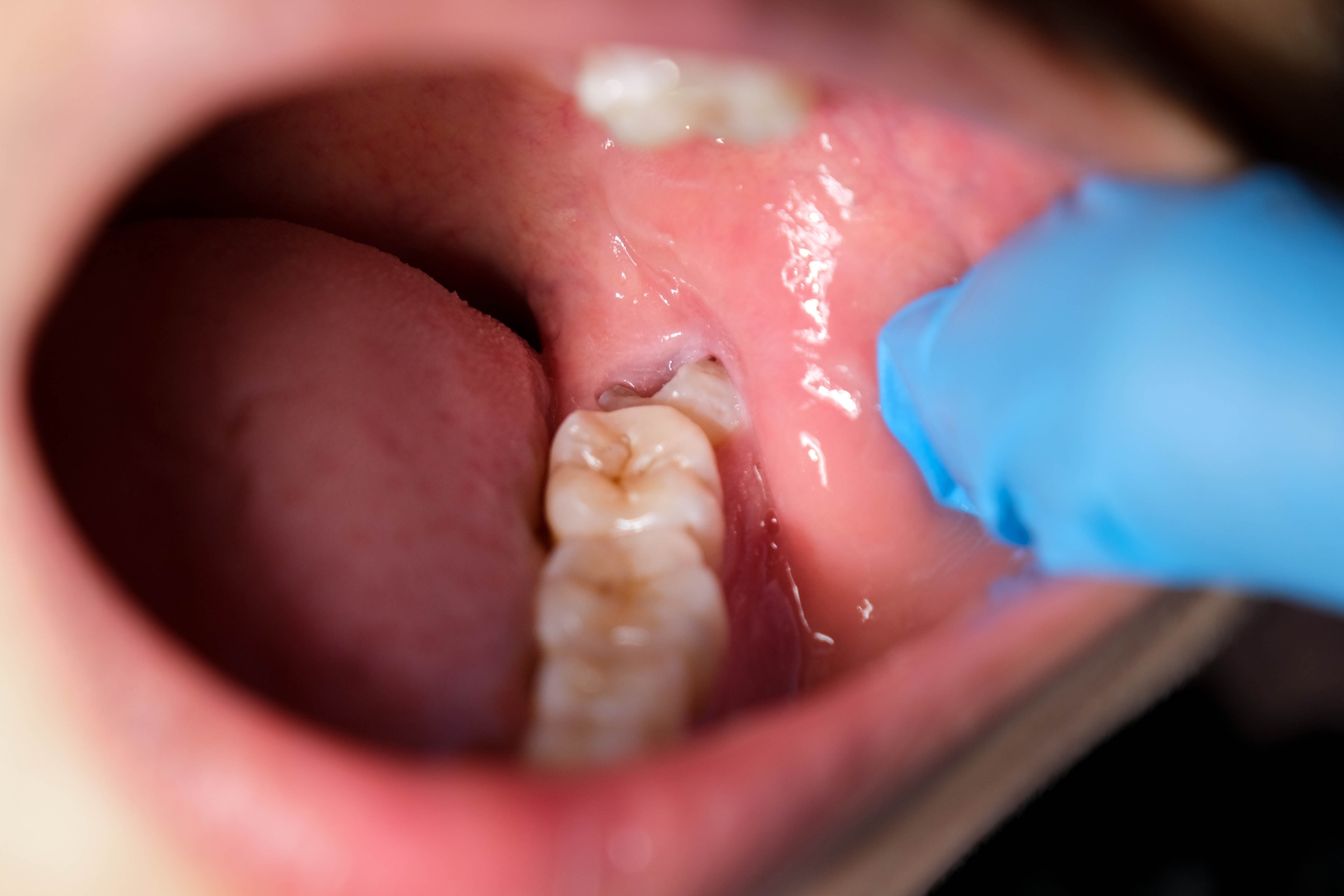
A severely broken tooth with exposed nerves or a crack that extends below the gum line often cannot be repaired and must be removed.
Unlike children, adult teeth should never be loose. A loose tooth in an adult often points to advanced gum disease or an injury.
A dental abscess can cause pus to form near the tooth. You may notice a foul taste or smell, which signals active infection.
If a tooth is completely knocked out from trauma, immediate care within 30 to 60 minutes gives the best chance of saving or replacing it.
Do Not Ignore ThisIf you have swelling around the neck or difficulty swallowing along with severe tooth pain, this could be a life-threatening infection called Ludwig’s angina. Go to an emergency room immediately.
3. What to Do Immediately Before Reaching the Clinic
There is always a gap between when pain starts and when you can reach a dentist. Here is how to handle that time wisely.
- Rinse with warm salt water. Mix half a teaspoon of salt in a glass of lukewarm water and gently rinse your mouth. This reduces bacteria and provides mild relief.
- Take a safe painkiller. Ibuprofen (such as Nurofen or a local brand) or paracetamol can reduce pain and inflammation. Follow the correct dose on the packet. Do not place aspirin directly on the tooth or gum, as this can burn the tissue.
- Apply a cold compress. Hold a cloth-wrapped ice pack to the outside of your cheek for 15 minutes at a time. This reduces swelling and numbs the area slightly.
- Keep the area clean. Avoid eating on the affected side. Do not poke the tooth or try to remove it yourself.
- If a tooth was knocked out, handle it carefully. Pick it up by the crown, not the root. Rinse it gently with clean water but do not scrub. Keep it moist by placing it in milk or between your cheek and gum, and head to a dentist immediately.
- Call the clinic ahead. Let the dental clinic know you are coming as an emergency. This helps them prepare and reduces your waiting time. You can reach Dental View BD directly through their contact page.
4. What Not to Do During a Dental Emergency
Equally important is knowing what to avoid. The following mistakes can make the situation worse and complicate treatment.
What You Should Do
- Take prescribed or over-the-counter pain relief at the correct dose
- Use a cold compress on the outside of the cheek
- Rinse gently with warm salt water
- Call a dentist and describe your symptoms clearly
- Avoid eating until the situation is assessed
- Stay calm and keep the area clean
What You Should Not Do
- Do not try to pull the tooth out yourself
- Do not place aspirin or clove oil directly on the gum tissue
- Do not ignore swelling in the face or neck
- Do not use heat on the area, as it can worsen swelling
- Do not eat hard or crunchy food on the affected side
- Do not delay treatment hoping the pain will go away on its own
5. What Happens During Emergency Tooth Removal
Many people feel anxious about the procedure because they do not know what to expect. Understanding the process makes it far less frightening.
Step 1 — Assessment and X-Ray
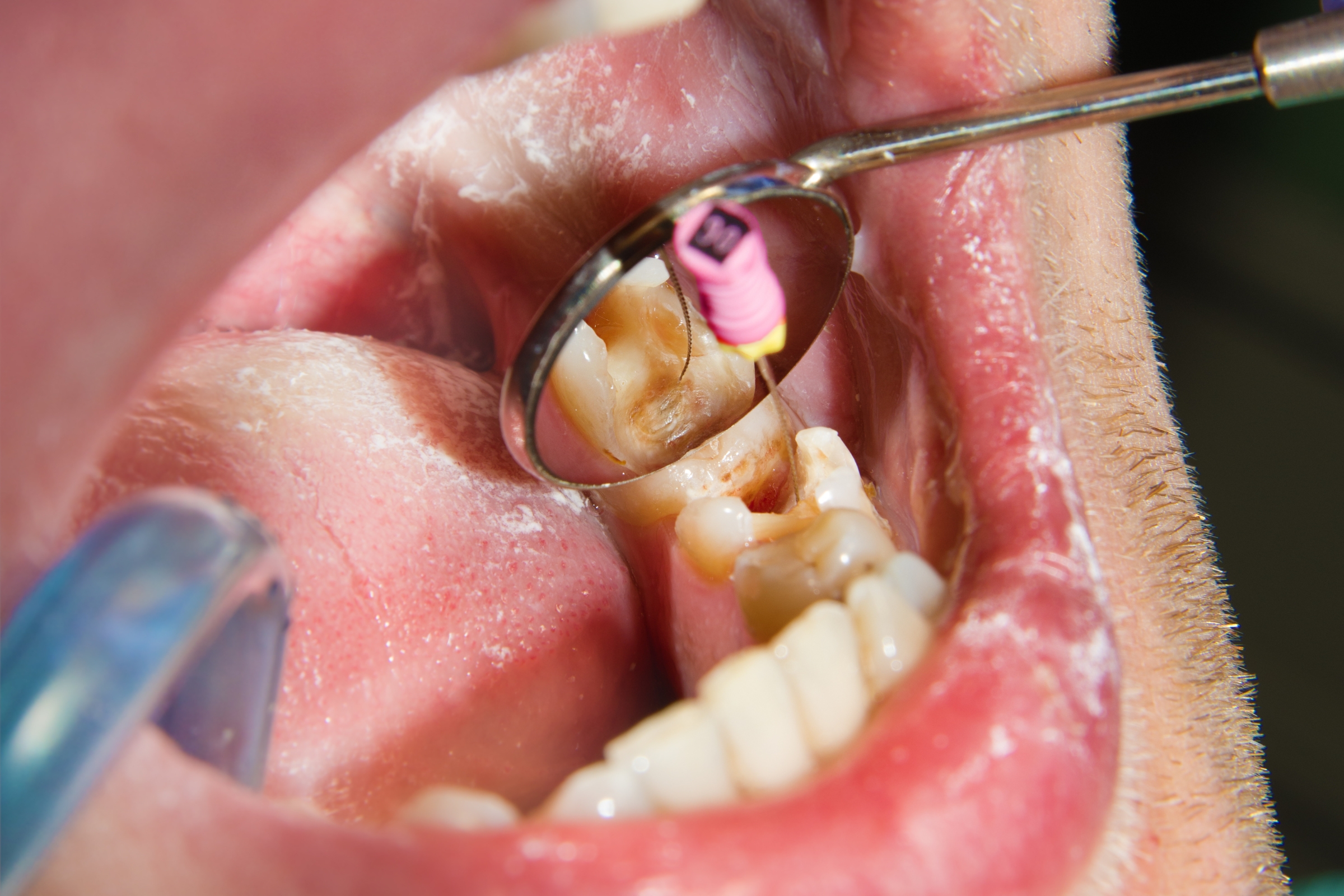
When you arrive at the clinic, the dentist will examine the affected tooth and surrounding area. An X-ray is usually taken to understand the position of the tooth roots, the extent of infection, and whether extraction is truly necessary or if another treatment can save the tooth.
Step 2 — Local Anaesthesia
Before any extraction begins, the area around the tooth is numbed with a local anaesthetic injection. You will feel a small pinch when the injection is given, but after that the area becomes completely numb. You will feel pressure during the procedure but not pain.
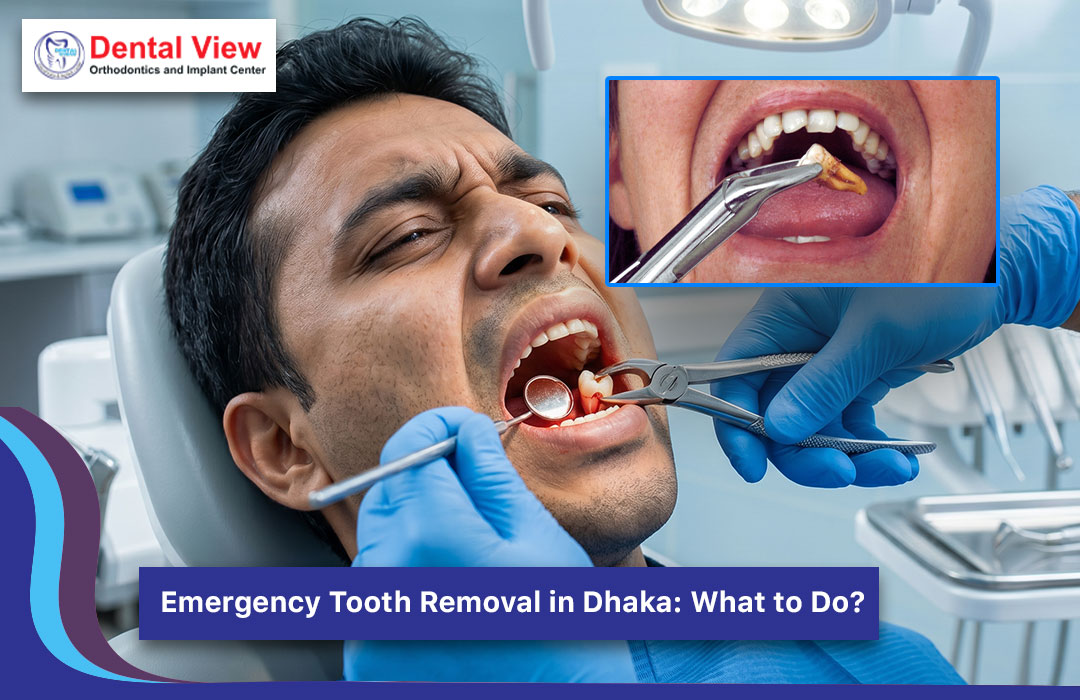
Step 3 — The Extraction
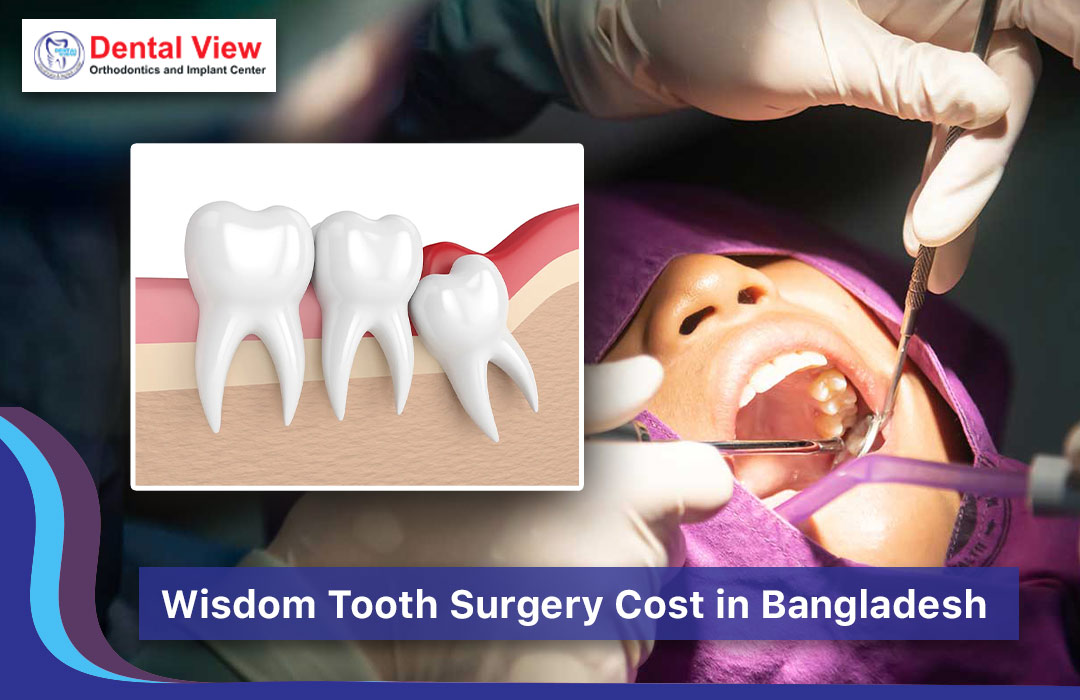
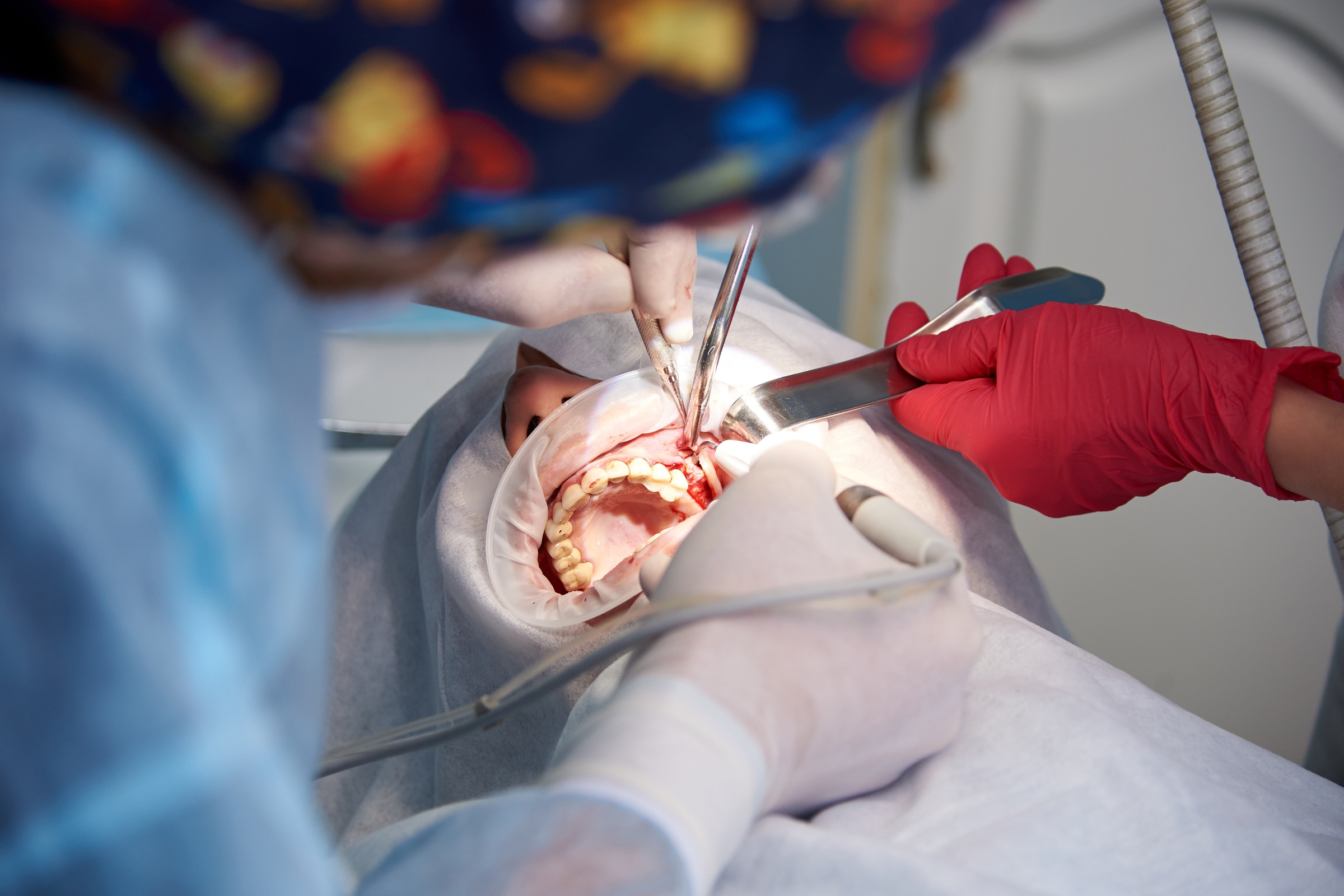
The dentist uses specialised instruments to loosen the tooth from its socket. For a simple extraction, the tooth is rocked back and forth until it comes free. For a more complex case, such as a tooth broken below the gum line or an impacted wisdom tooth, a surgical extraction may be needed. This involves a small incision in the gum to access the tooth properly.
Step 4 — Controlling Bleeding
After the tooth is removed, the dentist places gauze over the socket and asks you to bite down gently. This helps a blood clot form, which is the beginning of healing. The bleeding usually stops within 20 to 30 minutes.
Step 5 — After-Care Instructions
Before you leave, the dentist will give you clear instructions on care at home, what to eat, any medication to take, and when to return for a follow-up visit. Following these instructions carefully is the most important thing you can do to recover without complications.
How long does it take?A simple emergency extraction typically takes 20 to 45 minutes from the time the anaesthetic is given. A surgical extraction may take longer depending on the complexity.
6. Aftercare: How to Recover Properly
How you care for the extraction site in the first 24 to 72 hours makes a big difference in how quickly and comfortably you heal.
The First 24 Hours
- Bite gently on the gauze for at least 30 minutes after leaving the clinic
- Rest for the remainder of the day and avoid strenuous activity
- Eat only soft foods such as rice porridge, yoghurt, mashed foods, or soft fish
- Do not use a straw, as the suction can dislodge the blood clot
- Do not smoke, as it significantly increases the risk of dry socket
- Sleep with your head slightly elevated to reduce swelling
Days 2 to 7
- Rinse very gently with warm salt water after meals starting from day two
- Take all prescribed antibiotics for the full course, even if you feel better
- Continue pain relief as needed for the first few days
- Avoid hard, spicy, or very hot foods
- Brush carefully around the area without touching the socket directly
Warning Signs After Extraction
Contact your dentist promptly if you experience any of the following after the procedure.
- Bleeding that does not stop after 45 minutes of firm pressure
- Severe pain that gets worse after two days instead of improving
- A dry, empty-feeling socket with bad breath, known as dry socket
- Fever above 38 degrees Celsius
- Increasing swelling after 48 hours
Dry Socket WarningDry socket is the most common complication after tooth removal. It happens when the blood clot is lost too early. The pain usually begins two to four days after extraction and is often described as a deep, aching pain. If this happens, return to your dentist for treatment as soon as possible. Do not try to treat it yourself.
7. When Extraction Is NOT the Right Option
It is important to understand that dentists always try to save a natural tooth before considering extraction. Extraction is a last resort, not a first choice. Even in emergencies, your dentist will assess whether any of the following alternatives can work.
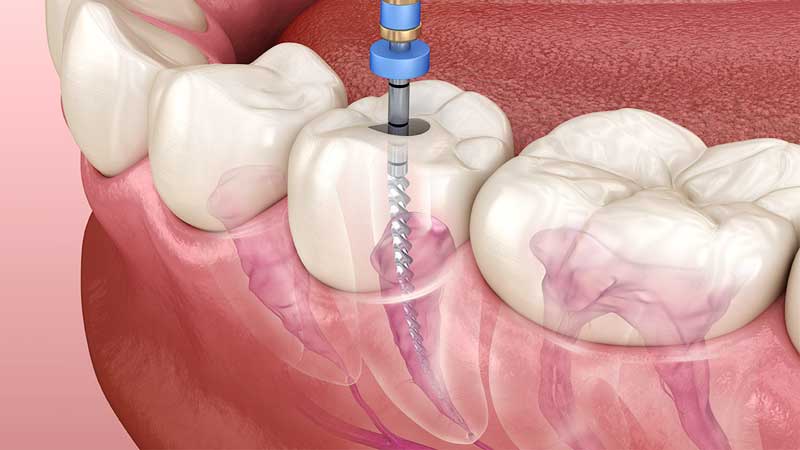
- Root Canal Treatment — If the infection is inside the tooth’s pulp but the structure of the tooth is still intact, a root canal can remove the infected tissue and save the tooth.
- Antibiotics and Drainage — If the infection is in its early stages, antibiotics combined with draining the abscess may control the situation before definitive treatment is planned.
- Crown or Restoration — A cracked or broken tooth may be salvageable with a crown or a dental restoration if the damage does not extend too far below the gum line.
Your dentist will always explain your options before proceeding with any treatment. Never feel pressured to agree to an extraction without understanding why it is necessary.
8. Emergency Tooth Removal Cost in Dhaka
The cost of an emergency tooth extraction in Dhaka varies depending on several factors, including the complexity of the extraction, whether it is a simple or surgical procedure, the type of clinic, and whether additional treatments such as antibiotics or follow-up visits are needed.
As a general guide, a simple extraction at a reputable clinic in Dhaka typically costs between BDT 500 and BDT 3,000. Surgical extractions, such as impacted wisdom tooth removal, can cost more depending on the case. Diagnostic X-rays and medications are usually additional costs.
For an accurate cost estimate based on your specific situation, it is always best to consult directly with the clinic. You can reach Dental View BD through their contact page to ask about pricing and availability before your visit.
Always ask upfrontBefore any procedure, ask your dentist to explain the full cost including X-rays, the extraction itself, any prescribed medication, and follow-up visits. A transparent clinic will always be happy to provide this information clearly.
Also Read on Dental View BD
Book an Emergency Appointment at Dental View BDAsk About Root Canal Treatment OptionsWisdom Tooth Removal in Dhaka: What You Need to KnowDental Checkup and Cleaning Services at Dental View BD
9. Why Choose Dental View BD for Dental Emergencies
When you are in pain, you need a clinic that responds quickly, treats you with care, and gives you clear information before, during, and after treatment. Dental View BD is a trusted dental clinic in Dhaka with experienced dentists who handle both routine and emergency dental cases.
- Experienced dentists skilled in simple and surgical extractions
- Modern equipment including digital X-ray for fast and accurate diagnosis
- Clean, hygienic treatment rooms that meet safety standards
- Patient-centred approach, where your questions and concerns are always answered
- Affordable and transparent pricing with no hidden fees
- Convenient location in Dhaka with easy appointment booking
Facing a Dental Emergency Right Now?
Do not wait until the pain becomes unbearable. Contact Dental View BD and let an experienced dentist assess your situation as quickly as possible.
10. Frequently Asked Questions
Final Thoughts
A dental emergency is stressful and painful, but it is manageable when you know what to do. The most important steps are to stay calm, take safe pain relief, apply a cold compress, and get to a qualified dentist as quickly as possible.
Do not try to diagnose yourself or delay treatment. In Dhaka, experienced dental care is available and accessible. The sooner you seek help, the better your outcome will be.
If you or someone you know is dealing with a dental emergency right now, reach out to Dental View BD for professional, compassionate care in Dhaka.